Urinary Tract Infection (UTI) in Cats
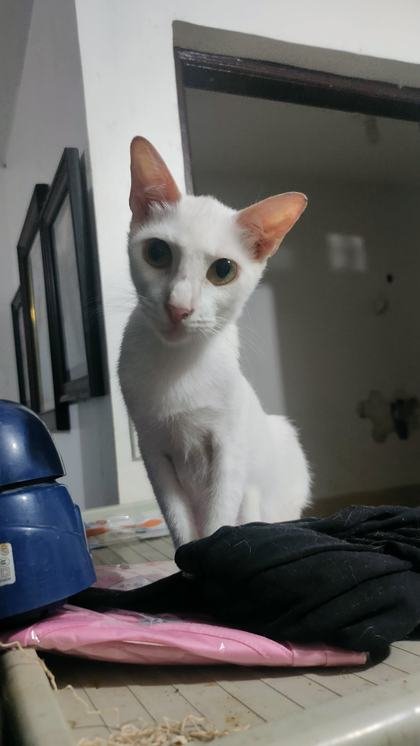 Athena
Overview
A UTI is a bacterial infection of the urinary tract — most often the bladder. Important distinction for cat owners: true bacterial UTIs are actually less common in cats than most people assume. Many urinary symptoms in cats are caused by other conditions grouped under FLUTD (Feline Lower Urinary Tract Disease), especially Feline Idiopathic Cystitis, not infection.
- Less common than owners often think — bacterial UTIs make up a minority of feline urinary cases
- More common in female cats (shorter urethra) and in cats over 10 years old
- Often occurs alongside other conditions like bladder stones, especially in older cats
- Usually very treatable once correctly diagnosed
Common Symptoms
Early / Mild
- Straining or taking longer than usual to urinate
- Frequent trips to the litter box, small amounts each time
- Urinating outside the litter box
Advanced
- Blood in the urine
- Crying out or showing pain while urinating
- Strong-smelling urine
- Excessive licking of the genital area
These symptoms overlap heavily with FIC and urinary blockage — a vet visit is needed to tell them apart, since treatment differs significantly.
Possible Causes
- Bacteria entering the urinary tract, more easily in cats with a shorter urethra (typically females)
- More common in senior cats, often alongside other conditions like bladder stones or kidney disease
- Diabetes or other conditions that alter urine concentration can increase UTI risk
- Rarely a "primary" or standalone cause in younger, healthy cats — if a young cat has these symptoms, FIC or another cause is statistically more likely
Diagnosis
- Urinalysis – checks for bacteria, blood, crystals, and concentration
- Urine culture – confirms bacterial infection and identifies which antibiotic will work
- Bloodwork and imaging (X-ray/ultrasound) may be used to rule out stones or other underlying causes, especially in recurrent cases
- A proper diagnosis matters because treating FIC like a UTI (or vice versa) won't resolve the real problem
Treatment
- Antibiotics, chosen based on urine culture results when possible, rather than guessing
- Full course of antibiotics should be completed even if symptoms improve early, to avoid recurrence or resistance
- If an underlying cause (like bladder stones) is found, that also needs to be addressed directly
- Pain relief may be used short-term for comfort
Nutrition & Food Intake
- Increasing water intake supports urinary tract health generally — wet food, water fountains, multiple water stations
- Prescription urinary diets may be recommended if stones or recurrent infections are involved
- No special diet cures a bacterial UTI on its own — antibiotics are still needed for active infection
Home Physical Checks (What to Look For Yourself)
- Litter box habits – frequency, straining, small amounts, accidents outside the box
- Urine appearance – pink-tinged or bloody urine warrants a vet visit
- Behavior around urination – vocalizing, hesitancy, excessive genital licking
- General appetite/energy – usually unaffected in a simple UTI; if a cat is also lethargic or not eating, this points toward a more serious or different problem
Supportive Supplements (General Info — Not a Prescription)
- Increased water intake is the most broadly supportive measure for urinary health in general
- Cranberry-based supplements are sometimes marketed for urinary support in cats, though veterinary evidence is more limited than in humans — ask your vet before starting
- Supplements do not replace antibiotics for an active bacterial infection
When to Seek Emergency Care
Most UTIs are not immediate emergencies, but seek prompt care if:
- Your cat (especially male) is straining with no urine output at all — this could be an obstruction, a true emergency, not a simple UTI
- Blood in urine is significant or persistent
- The cat shows signs of pain, lethargy, or reduced appetite alongside urinary symptoms
Prevention
- Ensure good hydration — wet food, fresh water, fountains
- Maintain a healthy weight
- Regular veterinary checkups, especially for cats over 10
- Manage underlying conditions like diabetes that increase risk
- Don't assume every urinary symptom is "just a UTI" — recurring symptoms deserve proper diagnostic workup rather than repeated antibiotic courses
Prognosis
Excellent, when properly diagnosed and treated. True bacterial UTIs generally respond well to appropriate antibiotics, and most cats recover fully with no lasting effects. The main risk is misdiagnosis — treating recurring FIC or other FLUTD causes as if they were bacterial infections can delay proper treatment and prolong discomfort, which is why culture-based diagnosis matters, especially for repeat cases.
Sources: Bond Vet; PetMD (FLUTD); UC Davis School of Veterinary Medicine; VCA Animal Hospitals.