Urinary Blockage in Cats (Urethral Obstruction)
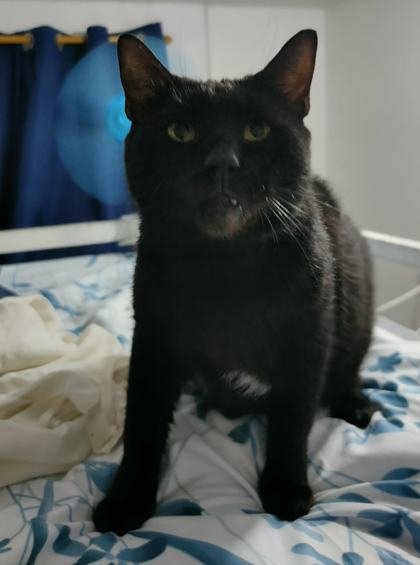 Timmy
TimmyOverview
A urinary blockage — medically called urethral obstruction — is one of the most urgent true emergencies in cat health. It happens when the tube that carries urine out of the body (the urethra) becomes blocked, and the cat cannot empty their bladder at all.
- This is a life-or-death emergency, not a "monitor at home" situation
- Overwhelmingly affects male cats — their urethra is much narrower than a female's
- Can cause death within 24-48 hours if left untreated, due to toxin buildup and dangerous potassium levels affecting the heart
- Often linked to Feline Idiopathic Cystitis (FIC) — a stress-related bladder condition
Common Symptoms
Early / Easy-to-Miss Signs
- Frequent trips to the litter box with little or no urine produced
- Straining or crying while trying to urinate
- Licking at the genital area more than usual
Advanced / Emergency Signs
- No urine output at all despite repeated straining
- Vomiting
- Loud crying or clear signs of pain
- Lethargy, collapse
- Hard, swollen belly (a full, blocked bladder)
Important: straining with no urine is often mistaken for constipation by owners — this mix-up can cost critical time.
Possible Causes
- Feline Idiopathic Cystitis (FIC) — inflammation without infection or stones, often stress-related (most common cause)
- Urethral plugs — a mix of crystals, mucus, and cellular debris
- Bladder stones (uroliths)
- Rarely, urinary tract infection or tumors
- Risk factors: male sex, stress, indoor-only lifestyle, obesity, low water intake, dry-food-only diets
Diagnosis
- Physical exam — a firm, painful, enlarged bladder is often obvious on palpation
- Urinalysis to check for crystals, blood, infection
- Bloodwork to check kidney values and dangerous potassium levels
- X-rays or ultrasound to check for bladder stones
- This diagnosis is usually made quickly in an emergency setting — time matters more than extensive testing upfront
Treatment
- Immediate stabilization — this is a true emergency requiring same-day veterinary care
- Sedation and placement of a urinary catheter to relieve the blockage
- IV fluids to correct dehydration and dangerous electrolyte levels
- Hospitalization for 24-72 hours is typical while the bladder and urethra recover
- Pain management throughout treatment
- In cats with repeated blockages, a surgery called perineal urethrostomy (PU surgery) may be recommended to widen the urethra permanently
Nutrition & Food Intake
- Increasing water intake is one of the most protective things you can do — wet food is generally preferred over dry for cats prone to urinary issues
- Prescription urinary-support diets (available through your vet) are commonly used long-term for cats who've had a blockage
- Water fountains can encourage cats to drink more than a standard bowl
- Multiple small meals rather than one large one may help some cats
Home Physical Checks (What to Look For Yourself)
- Litter box monitoring – this is the #1 home check. Track how often your cat visits the box and whether urine is actually produced. Multiple visits with nothing (or just a few drops) is an emergency, not a "wait and see."
- Belly – gently feel for a firm, swollen bladder area (learn what your cat's normal, empty bladder feels like when healthy, so you can notice the difference)
- Behavior – vocalizing in the litter box, restlessness, hiding, or grooming the genital area excessively
- Appetite and energy – sudden lethargy alongside litter box changes is a red flag combination
Supportive Supplements (General Info — Not a Prescription)
- Increased water intake (fountains, wet food, multiple water stations) is the most evidence-supported long-term protective measure
- Some vets recommend stress-reduction supplements (e.g., pheromone diffusers, certain calming supplements) since stress is strongly linked to FIC flare-ups — ask your vet what's appropriate
- Urinary-specific prescription diets are formulated to help manage mineral balance and encourage dilute urine — always vet-recommended, not a DIY supplement choice
When to Seek Emergency Care
Any of these means going to a vet or emergency clinic immediately — do not wait until morning:
- Straining in the litter box with no urine produced
- Crying out while attempting to urinate
- A hard, distended belly
- Vomiting combined with litter box straining
- Lethargy or collapse
This condition can be fatal within 24-48 hours untreated. When in doubt, treat it as an emergency.
Prevention
- Increase water intake: wet food, multiple water bowls/fountains, fresh water daily
- Reduce environmental stress — enough litter boxes (one per cat plus one extra), consistent routine, vertical space, hiding spots
- Maintain a healthy weight; obesity is a risk factor
- Regular veterinary checkups, especially for cats who've blocked before
- For cats with recurrent episodes, ask your vet about prescription urinary diets and long-term management plans
Prognosis
This is genuinely one of the more hopeful emergencies in cat medicine if treated promptly:
- Survival to discharge with proper, timely treatment is 90-95%, according to multiple veterinary emergency medicine studies and Today's Veterinary Practice.
- More recent studies report mortality as low as 3-8% at some specialty hospitals with modern protocols.
- The bigger long-term concern is recurrence — reported rates range from about 11% to 43%, meaning ongoing prevention (diet, hydration, stress reduction) really matters after the first episode.
- Cats with repeated blockages despite management changes may benefit from PU surgery, which significantly reduces future obstruction risk.
Sources: Journal of Veterinary Emergency and Critical Care (2015); Today's Veterinary Practice; MSPCA-Angell; VCA Hollywood Animal Hospital.