Ringworm (Dermatophytosis) in Cats
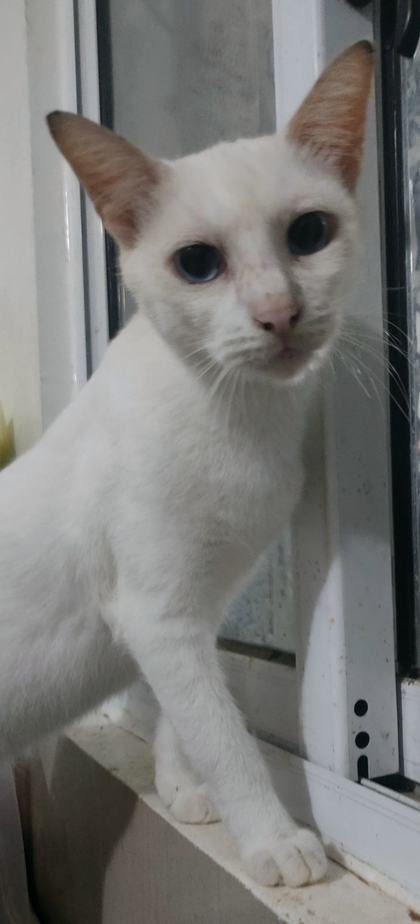 Puti
PutiOverview
Despite the name, ringworm isn't a worm at all — it's a fungal infection of the skin, hair, and nails. It's extremely relevant for anyone in rescue work, since it's both contagious between cats and zoonotic (transmissible to humans), making it a common source of shelter management headaches.
- Caused most commonly by the fungus Microsporum canis
- Both contagious to other animals and zoonotic (can spread to humans)
- Self-limiting in healthy cats — meaning it often resolves on its own within about 3 months — but treatment is still recommended to reduce spread and shorten the timeline
- A major, well-recognized challenge in shelter/rescue settings due to environmental persistence and prolonged treatment courses
Common Symptoms
Typical Signs
- Circular patches of hair loss, sometimes with a scaly or crusty border (the classic "ring" pattern, though not every case looks like a perfect ring)
- Broken, brittle hairs in affected areas
- Mild redness or scaling of the skin
- Some cats show minimal or no visible symptoms while still shedding infectious spores (this matters a lot in multi-cat/shelter settings)
Possible Causes
- Direct contact with an infected cat is the primary transmission route for the most common species (M. canis)
- Higher risk factors: young age (under 1 year), immunocompromised status (FIV, FeLV, or immunosuppressive medication), pre-existing skin conditions, and stress
- Environmental contamination (bedding, carpets, grooming tools) can also contribute, though direct contact is the dominant route
- Spores can persist in the environment for a long time, making thorough cleaning essential in multi-cat settings
Diagnosis
- Wood's lamp examination – a specialized UV light that can make some (not all) infected hairs fluoresce, useful as an initial screening tool
- Trichography – microscopic examination of plucked hairs
- Fungal culture (DTM) – the traditional gold-standard, though it takes time to grow results
- PCR testing – increasingly used to shorten time to diagnosis and treatment decisions
- Confirmation of cure typically requires a negative follow-up culture, not just visible improvement
Treatment
- Systemic (oral) antifungal medication, commonly itraconazole, is considered a preferred treatment option
- Topical therapy is critical, especially in multi-cat or shelter settings — lime sulfur dips or antifungal shampoos/mousses applied regularly help "sterilize" the coat and reduce ongoing environmental contamination
- Treatment often continues for several weeks to a few months, until confirmed clear by follow-up testing, not just visual improvement
- Clipping long hair is sometimes recommended (especially for long-haired breeds), though it can occasionally worsen lesions through micro-trauma, so this is a case-by-case decision with your vet
Nutrition & Food Intake
- Not directly affected by ringworm
- General good nutrition supports overall skin and immune health during recovery, though it doesn't treat the fungal infection itself
Home Physical Checks (What to Look For Yourself)
- Skin and coat – check regularly for circular hair loss patches, scaling, or brittle hair, especially in kittens or newly introduced cats
- Multiple cats in a household – since some infected cats show minimal symptoms, any new skin lesion in one cat warrants checking others too
- Your own skin – since this is zoonotic, watch for any new circular, itchy skin lesions on yourself or family members if your cat is diagnosed
Important home-care note: Wear gloves when handling an infected cat or treating lesions, and wash hands thoroughly afterward, given the zoonotic risk.
Supportive Supplements (General Info — Not a Prescription)
- No supplement replaces antifungal treatment for confirmed ringworm
- General immune-supportive nutrition may help overall resilience, but this is a fungal infection requiring targeted antifungal therapy, not a supplement-manageable condition
When to Seek Emergency Care
Ringworm itself is not an emergency, but seek veterinary care promptly if:
- Lesions are spreading rapidly or covering large areas
- Multiple cats in a household develop symptoms simultaneously
- You notice similar skin lesions developing on yourself or family members — this warrants seeing your own doctor as well as treating the cat
Prevention
- Isolate and test new intake cats before introducing them to a household or shelter population, especially in rescue settings
- Regular disinfection of shared spaces, bedding, and grooming tools (spores can persist for months)
- Reduce overcrowding and stress in multi-cat environments, since stress is a recognized risk factor
- No vaccine currently exists for reliable prevention
Prognosis
Genuinely good news for this one: dermatophytosis carries a good prognosis for cure in the vast majority of cats, especially with proper treatment. It's rarely life-threatening in a healthy pet, and even without any treatment, most cats will self-resolve within about 3 months. The real-world challenge isn't the disease's severity — it's environmental management, especially in multi-cat or shelter settings, where treatment can become frustrating and prolonged due to environmental contamination and continued exposure risk rather than any failure of the treatment itself. With consistent topical and systemic treatment plus environmental cleaning, full resolution is the expected outcome.
Sources: Royal Canin Academy veterinary review; ASPCApro Shelter Medicine; UC Davis School of Veterinary Medicine; ABCD Cats & Vets Guidelines; Koret Shelter Medicine Program (UC Davis).