CASE FILE NO. 02 — CAT · INFECTIOUS DISEASE
Feline Panleukopenia (Feline Distemper)
Emergency signs possible
Infectious Disease
Real cats from the file: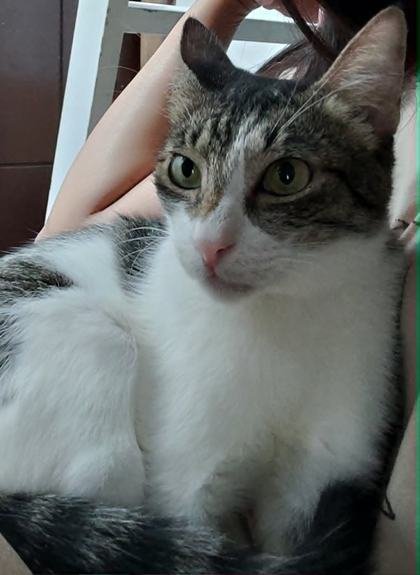 Silvester
SilvesterOverview
Feline Panleukopenia (FPV), often called "feline distemper," is a highly contagious and potentially fatal viral disease. It's caused by a parvovirus that attacks rapidly dividing cells — especially in the intestines, bone marrow, and (in unborn/newborn kittens) the brain.
- Extremely contagious between cats, especially in shelters, foster homes, and multi-cat households
- Most severe in unvaccinated kittens under 5-6 months old
- A true medical emergency — this is not a "wait and see" illness
- The virus is very hardy and can survive in the environment for months, resisting many household disinfectants
Common Symptoms
Early Symptoms
- Lethargy, hiding
- Loss of appetite
- Mild fever
Advanced Symptoms
- Severe vomiting
- Profuse, often bloody diarrhea
- High fever followed by low body temperature (hypothermia) — a serious sign
- Dehydration
- Sitting hunched over the water bowl without drinking
Possible Causes
- Fecal-oral transmission (contact with infected feces, litter, bedding, bowls)
- Can be carried on hands, clothing, and shoes — humans can unknowingly spread it between cats
- Highest risk: unvaccinated kittens, shelter/rescue intakes, multi-cat environments
- Vaccination status is the single biggest protective factor
Diagnosis
- Fecal antigen ELISA test (often the same test used for canine parvovirus — commonly available in-clinic)
- CBC (Complete Blood Count) — panleukopenia means "low white blood cells," and a dramatic drop in white blood cell count is a hallmark sign
- PCR testing for confirmation in some cases
- A veterinarian must confirm diagnosis — early symptoms can look like other illnesses (giardia, bacterial infection, dietary upset)
Treatment
- There is no direct antiviral cure — treatment is intensive supportive care to keep the cat alive while their own immune system fights the virus
- Hospitalization with IV fluids to correct dehydration and electrolyte imbalances
- Anti-nausea medication, antibiotics to prevent secondary bacterial infection
- In some clinics, newer treatments like feline-specific antibody therapy or filgrastim (to boost white blood cells) are used
- Isolation from other cats is essential during treatment
Nutrition & Food Intake
- Cats are usually too sick to eat voluntarily during acute illness — nutritional support is often provided via the vet (appetite stimulants, syringe feeding, or a feeding tube in severe cases)
- Once vomiting is controlled, small amounts of bland, easily digestible food are reintroduced gradually
- Fresh water should always be available, though many cats need IV fluids regardless since they can't keep up with losses orally
Home Physical Checks (What to Look For Yourself)
- Gums – pale or tacky/dry gums signal dehydration or anemia — check regularly if a kitten seems unwell
- Hydration (skin tent test) – lift skin at the neck scruff; slow return to place means dehydration
- Temperature – a rectal thermometer reading below normal (hypothermia) in a sick kitten is an emergency sign, not a "good" sign
- Body weight – weigh kittens daily during any illness; even small weight loss matters in small bodies
- Litter box – note if diarrhea has blood, or if the cat is producing very little urine (sign of severe dehydration)
Supportive Supplements (General Info — Not a Prescription)
Always vet-directed for a cat this sick — this is not a condition for home supplement management alone:
- Probiotics – sometimes reintroduced during recovery to help restore gut flora after severe diarrhea
- Electrolyte support – typically given as part of IV fluid therapy, not oral supplements, in moderate-to-severe cases
- There are no supplements shown to cure or replace supportive veterinary care for panleukopenia — this disease requires clinical treatment, not home remedies
When to Seek Emergency Care
Panleukopenia progresses fast. Go to a vet or emergency clinic immediately if a kitten or cat shows:
- Sudden lethargy or collapse
- Repeated vomiting or bloody diarrhea
- Refusal to eat or drink for more than a few hours (in kittens) or 24 hours (adults)
- Low body temperature, cold extremities
- Known exposure to an infected or unvaccinated cat, especially in a shelter/rescue setting
Prevention
- Vaccination is highly effective and is the single most important prevention step
- Kittens need a vaccine series starting around 6-8 weeks, with boosters every 3-4 weeks until about 16-20 weeks old
- In shelters/rescues: vaccinate immediately on intake, isolate new arrivals, and use parvovirus-effective disinfectants (most standard cleaners do NOT kill this virus — bleach solutions are typically required)
- Avoid introducing unvaccinated kittens into multi-cat households or shelters during an active outbreak
Prognosis
This is a serious disease, and honesty matters here:
- Historically, published survival rates with hospitalized supportive care have ranged from about 20% to 51%, according to the Merck Veterinary Manual and multiple veterinary studies.
- In unvaccinated cats, mortality can be as high as 50-100%, per the National Kitten Coalition.
- However, catching it early changes the odds significantly. Rescuers and shelters that identify the illness before severe symptoms develop, and begin aggressive supportive care immediately, report meaningfully higher survival — some shelter programs report survival rates as high as 85% with early intervention protocols and newer treatments like CPMA antibody therapy.
- Cats who survive the first 3-5 days and begin eating on their own generally go on to fully recover with no lasting effects.
Sources: Merck Veterinary Manual; ABCD Cats & Vets Guidelines; National Kitten Coalition; Journal of Shelter Medicine and Community Animal Health (2025); dvm360 shelter outcomes study.
🐾 A Rescuer\'s Note: [Your experience goes here — how did you first notice something was wrong? What was the treatment process like? What do you want other rescuers to know about catching this early?]
Important: This information is educational and does not replace a professional veterinary examination. Panleukopenia can be fatal within days — if you suspect it, seek veterinary care immediately rather than waiting or relying on home care alone.
💬 Share Your Story
Have you cared for a cat with this condition? We'd love to hear it — email your story to hello@thefurfile.com (swap in your real address) and we'll feature it here.
Share your story by email