Intestinal Worms in Cats (Roundworms, Hookworms, Tapeworms)
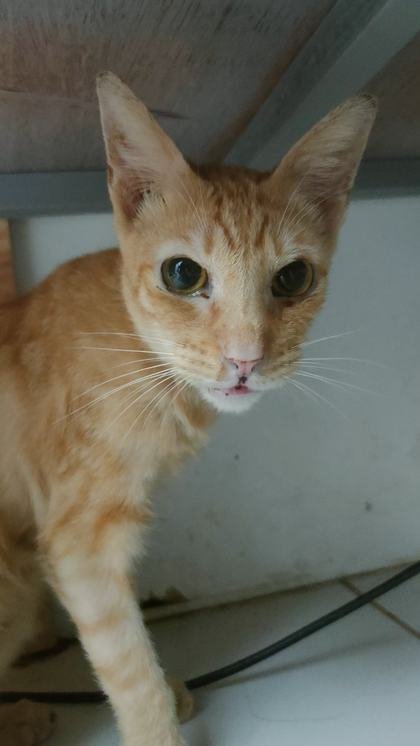 Khalil
Overview
Intestinal worms are probably the single most common health issue in rescue and shelter intake cats, especially kittens. The good news: they're generally very treatable and rarely cause long-term effects when addressed properly.
- The most common intestinal parasites found in cats worldwide
- Roundworms are the most prevalent — at least 25% of all cats are infected, with even higher rates in kittens
- Kittens are especially vulnerable since they can be infected through their mother's milk, not just the environment
- Distinct from Giardia (a protozoan, covered elsewhere in this library) — these are true worms (helminths)
Common Symptoms
Early / Mild
- A pot-bellied, distended abdomen appearance, especially in kittens
- Dull or rumpled coat
- Mild diarrhea
Advanced
- Visible worms or worm segments in stool or vomit (roundworms look like spaghetti; tapeworm segments look like grains of rice, sometimes seen stuck to fur near the tail)
- Vomiting
- Significant weight loss
- In heavy infestations, anemia (especially with hookworms, which feed on blood)
Possible Causes
- Roundworms: ingesting contaminated soil/feces, or transmission through a mother's milk to kittens
- Hookworms: contact with contaminated soil/feces, or eating an infected rodent; these worms have blood-feeding mouthparts and can cause anemia in heavy infestations
- Tapeworms: almost always from ingesting an infected flea during grooming — meaning flea control and tapeworm prevention go hand in hand
- Outdoor cats, hunting cats, and kittens are all at higher risk
Diagnosis
- Fecal examination (float test) under a microscope to identify worm eggs
- Visual identification of worms or segments in stool, though not all worms are visible this way
- Your vet may recommend testing even without visible symptoms, especially for kittens or new rescue intakes, since infections aren't always obvious
Treatment
- Most worms are easily treated with oral, topical, or injectable dewormers prescribed by a vet
- Roundworms/hookworms: commonly treated with pyrantel pamoate, often requiring a couple of doses spaced apart
- Tapeworms: treated with praziquantel, often a single dose/injection — but note that treating tapeworms without addressing an underlying flea problem means they'll likely come back
- Some worm types require multiple treatments on a strict schedule to catch the parasite at different life stages
- Always follow veterinary dosing guidance — some over-the-counter or non-cat-specific dewormers (like horse dewormer) can be dangerously over-concentrated for a cat's size
Nutrition & Food Intake
- Heavy worm burdens can affect nutrient absorption, particularly in kittens, contributing to poor weight gain despite eating
- No special diet treats worms directly — proper deworming medication is required
- Once treated, nutrition typically normalizes and weight gain improves, especially in previously affected kittens
Home Physical Checks (What to Look For Yourself)
- Stool and vomit – check for visible worms or rice-like segments
- Around the tail/rear – tapeworm segments can sometimes be seen stuck to fur here
- Belly shape – a pot-bellied appearance in a kitten who otherwise looks thin is a classic combination worth mentioning to your vet
- Coat condition – dull, rough coat can be a subtle sign of parasite burden
- Flea presence – since tapeworms come from fleas, checking for fleas is directly relevant to tapeworm risk
Supportive Supplements (General Info — Not a Prescription)
- Probiotics – sometimes used to help support gut recovery after deworming treatment, especially if diarrhea was present
- No supplement replaces actual deworming medication — this requires a targeted antiparasitic drug for the specific worm type involved
When to Seek Emergency Care
Worms themselves are rarely a sudden emergency, but seek prompt care if:
- A kitten shows significant lethargy, pale gums (possible anemia from hookworms), or won't eat
- Vomiting or diarrhea is severe or persistent
- A heavy worm burden appears to be causing visible distress or an obstruction (very rare, but possible with extremely heavy roundworm infestations)
Prevention
- Kitten deworming schedule: typically starting at 3-4 weeks old, repeated every 2 weeks until 3 months old, then monthly until 6 months, per veterinary guidelines
- Adult cats: regular deworming per label/vet guidance, often combined with flea and heartworm prevention products
- Flea control is essential tapeworm prevention, since that's their primary transmission route
- Good hygiene: prompt removal of feces, especially important since roundworms can also infect humans (particularly children) through contaminated soil or litter boxes
- Limiting hunting/scavenging behavior reduces exposure to infected prey
Prognosis
Excellent for the vast majority of cases. Most intestinal worm infections are resolved fully with appropriate deworming medication, often within one to a few treatments depending on the parasite and severity. Kittens with heavy infestations may need closer monitoring for anemia or nutritional catch-up, but generally recover completely and go on to thrive. The main long-term risk isn't the worms themselves in a treated cat — it's reinfection, which is why ongoing prevention (flea control, regular deworming, good hygiene) matters more than any single treatment.
Sources: Purina; PetMD; Merck Veterinary Manual; Kitten Lady (GI parasites resource); Small Door Veterinary.