Ear Mites in Cats (Otodectes cynotis)
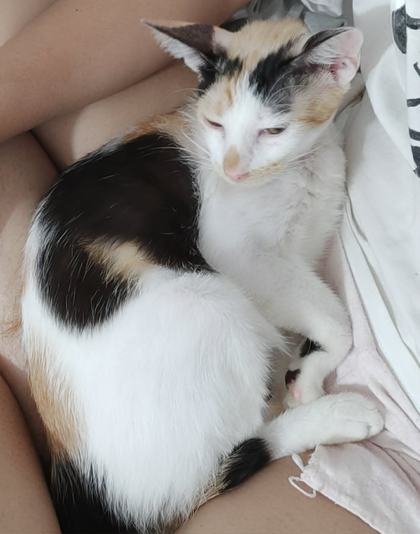 Yumi
YumiOverview
Ear mites are tiny, highly contagious parasites that live in a cat's ear canal, feeding on skin oils, wax, and debris. They're one of the most common causes of ear irritation in cats, especially kittens.
- Extremely common, especially in kittens and outdoor cats
- Highly contagious between cats (and dogs) through close contact
- Not typically life-threatening, but very uncomfortable and can lead to complications if untreated
- Highly treatable once properly diagnosed
Common Symptoms
Early Symptoms
- Scratching at the ears
- Head shaking
- Dark, crumbly discharge resembling coffee grounds
Advanced Symptoms
- Intense itching leading to scratches or scabs around the ears and face
- Strong odor from the ears
- Redness and swelling inside the ear canal
- In severe, untreated cases: secondary bacterial infection, or even eardrum damage and hearing loss
Possible Causes
- Direct contact with an infested animal (cats, dogs, or other susceptible animals)
- Very common in kittens and shelter/multi-cat environments
- Highly contagious — if one pet in the household has mites, others are usually at risk too
- Mites survive almost entirely on the host, though can persist briefly in the environment
Diagnosis
- Veterinary otoscope exam — mites are sometimes visible as tiny moving white specks
- Microscopic examination of ear debris confirms mites and eggs
- Important: dark ear debris alone doesn't confirm mites — infections, allergies, and wax buildup can look similar, so a proper exam matters before starting treatment
Treatment
- Topical antiparasitic medication applied directly into the ear canal is the standard, effective treatment (common options include selamectin, ivermectin-based products, and other vet-prescribed formulas)
- Ears typically need gentle cleaning by a vet or per vet instructions before medication is applied
- All pets in the household should be treated at the same time, even if only one shows symptoms, since mites spread easily between animals
- Because the mite life cycle takes about 3 weeks, treatment often needs to continue for a set period, not just until symptoms improve
Nutrition & Food Intake
- Ear mites don't typically affect appetite or require dietary changes
- General good nutrition supports skin and immune health, which can help resolve any secondary irritation faster
Home Physical Checks (What to Look For Yourself)
- Ear discharge – check for dark, granular, "coffee ground" debris
- Odor – a foul smell can indicate secondary infection, not just mites alone
- Skin around the ears – look for scratches, scabs, or hair loss from excessive scratching
- Behavior – frequent head shaking, ear scratching, or head tilting
Important home-care warning: Do not put oil, vinegar, peroxide, essential oils, or any home remedy into a cat's ear without veterinary guidance — these can worsen irritation or cause harm, especially if the eardrum is compromised.
Supportive Supplements (General Info — Not a Prescription)
- No supplements treat ear mites directly — this requires antiparasitic medication
- General skin/coat support (like omega-3 fatty acids) can help skin recover after irritation clears, but should not replace proper mite treatment
When to Seek Emergency Care
Ear mites themselves are rarely an emergency, but seek prompt veterinary care if you notice:
- Bleeding, significant swelling, or pain when the ear is touched
- Foul-smelling discharge (possible secondary infection)
- Loss of balance or head tilting (can indicate the infection has spread deeper)
- Symptoms worsening despite treatment
Prevention
- Treat all pets in the household simultaneously if one is diagnosed
- Regular ear checks, especially for kittens and outdoor cats
- Keep bedding and shared spaces clean, particularly in multi-pet or foster/rescue settings
- Routine vet checkups can catch mites early before they cause significant irritation
Prognosis
Excellent. Ear mites are highly treatable, and most cats recover fully within a few weeks of proper treatment with no lasting effects. The main risk comes from delayed treatment — untreated infestations can lead to secondary bacterial infections or, in severe long-term cases, damage to the ear canal or eardrum. Caught and treated early, this is one of the more straightforward conditions on this list.
Sources: Merck Veterinary Manual; VCA Animal Hospitals; PetMD; Today's Veterinary Practice.