Diaphragmatic Hernia in Cats
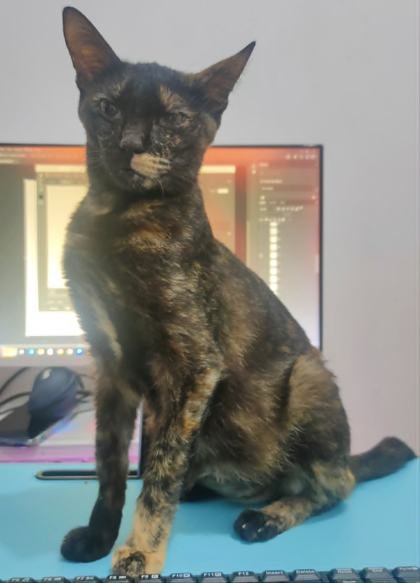 Coolet
Overview
A diaphragmatic hernia is a tear or opening in the diaphragm — the sheet of muscle separating the chest cavity from the abdomen. When this muscle tears, abdominal organs (stomach, intestines, liver, spleen) can push into the chest cavity, crowding the lungs and sometimes the heart.
- A true medical emergency in most cases — this directly interferes with breathing
- Most commonly traumatic (caused by injury), though a congenital form (present from birth) also exists and can go unnoticed for months or years
- Vehicular accidents account for up to 90% of cases where the cause is known
- With prompt treatment, prognosis is genuinely good — this is a condition where speed to the vet matters enormously
Common Symptoms
Acute / Traumatic Cases (right after an injury)
- Sudden, severe difficulty breathing
- Rapid, shallow breathing
- Visible shock: pale gums, weakness, collapse
- Reluctance to lie on one side
Chronic / Congenital Cases (can be subtle, sometimes for months or years)
- Reluctance to exercise, general dullness
- Weight loss or poor weight gain
- Vomiting and/or diarrhea
- A "tucked-up," empty-looking abdomen
- Faster-than-normal breathing rate, sometimes the only sign for a long time
- Straining to defecate, reduced appetite
A cat can appear to recover from the initial trauma and seem "fine" for weeks or months before suddenly deteriorating if organs remain trapped in the tear — this is why any known trauma (hit by car, fall from height) warrants veterinary evaluation even if the cat looks okay afterward.
Possible Causes
- Blunt trauma is the leading cause: vehicular accidents, falls from height
- Congenital diaphragmatic hernia, including a specific form called peritoneopericardial diaphragmatic hernia (PPDH), where a cat is simply born with an abnormal opening — this may not cause symptoms until adulthood, or may be found incidentally
- Any significant blow or compression to the abdomen/chest can potentially cause this injury
Diagnosis
- Chest X-rays are the primary diagnostic tool — often show abdominal organs or gas patterns where they shouldn't be, or a "missing" diaphragm outline
- Ultrasound can help confirm and assess which organs are involved
- Contrast studies (barium) are sometimes used for less obvious cases
- Bloodwork to assess overall stability, especially BUN (blood urea nitrogen) levels, which studies link to prognosis
- A veterinarian will also screen for other trauma-related injuries (fractures, lung bruising) common in cats presenting after an accident
Treatment
- Surgical repair (herniorrhaphy) is the standard and generally necessary treatment — closing the tear and returning organs to their proper position
- Stabilization before surgery is critical — cats in shock or respiratory distress need to be stabilized first (oxygen support, treating shock) since going into surgery unstable significantly worsens outcomes
- Surgery timing is individualized; contrary to older assumptions, studies have found the time between injury and surgery isn't consistently linked to survival — stabilization quality matters more than speed alone
- Cats with concurrent injuries (fractures, soft tissue trauma) require a more complex treatment plan and closer monitoring
Nutrition & Food Intake
- Not typically a factor before surgery — the priority is stabilization and surgical repair
- Post-surgical recovery usually involves a gradual return to normal feeding as directed by your vet
- Chronic cases with reduced appetite or poor weight gain may need nutritional support as part of managing the underlying hernia before surgery
Home Physical Checks (What to Look For Yourself)
- Breathing rate and effort – any cat with known or suspected trauma should be watched closely for rapid, shallow, or labored breathing
- Gum color – pale or bluish gums after any injury is an emergency sign
- Abdomen shape – a "tucked up" or unusually empty-looking abdomen can be a subtle sign in chronic cases
- Exercise tolerance and energy – a cat that seems more tired or reluctant to be active than usual, especially after any past trauma, is worth a vet check
- Weight and appetite trends – gradual, unexplained changes can point to a chronic, undiagnosed hernia
Supportive Supplements (General Info — Not a Prescription)
- No supplement treats a diaphragmatic hernia — this requires surgical repair
- Nutritional support during recovery from surgery should be guided entirely by your veterinary team
- There is no home management approach for this condition; a torn diaphragm does not heal on its own and carries ongoing risk until repaired
When to Seek Emergency Care
This condition is always an emergency once suspected. Seek immediate veterinary care if:
- A cat has experienced any significant trauma (hit by car, fall from height, being struck) — even if they seem okay afterward
- Sudden difficulty breathing, rapid/shallow breathing, or visible breathing effort
- Pale or bluish gums
- Collapse or signs of shock
Even a cat who "seems fine" after a traumatic event should be examined, since organs can remain silently trapped and cause sudden deterioration later.
Prevention
- Keep cats indoors or provide supervised, secured outdoor access to reduce risk of vehicle-related trauma, the leading cause
- Secure high windows, balconies, and railings to reduce fall risk
- Prompt veterinary evaluation after any significant trauma, even without obvious symptoms, since chronic cases can go unnoticed for a long time
- Congenital cases can't be prevented, but incidental findings (during unrelated vet visits) should be evaluated for surgical need rather than ignored
Prognosis
This is genuinely one of the more hopeful surgical emergencies on this list when the cat reaches proper treatment:
- Studies report perioperative survival rates for cats after surgery ranging from roughly 71% to 90%+, with one study reporting 88.2% survival specifically in cats (higher than the corresponding rate in dogs)
- Mortality rates after successful surgery are generally reported below 15% in recent studies
- Chronic hernias (long-standing, sometimes congenital) can actually have excellent outcomes too — one study found 100% survival in cats undergoing surgery for chronic hernias, though other research notes chronic cases with complications (like elevated BUN) can carry higher risk
- The factors most linked to worse outcomes: concurrent soft tissue or orthopedic injuries, longer anesthesia/surgery duration, and oxygen dependence going into surgery
- The clearest takeaway: getting to a vet promptly after any trauma — even if the cat looks okay — and ensuring proper stabilization before surgery are the biggest levers on a good outcome.
Sources: Royal Canin Academy veterinary review; American College of Veterinary Surgeons; BMC Veterinary Research (Legallet et al., prognostic indicators study); PubMed retrospective feline case series.