Bacterial Infections Causing Colds & Flu-Like Symptoms in Cats
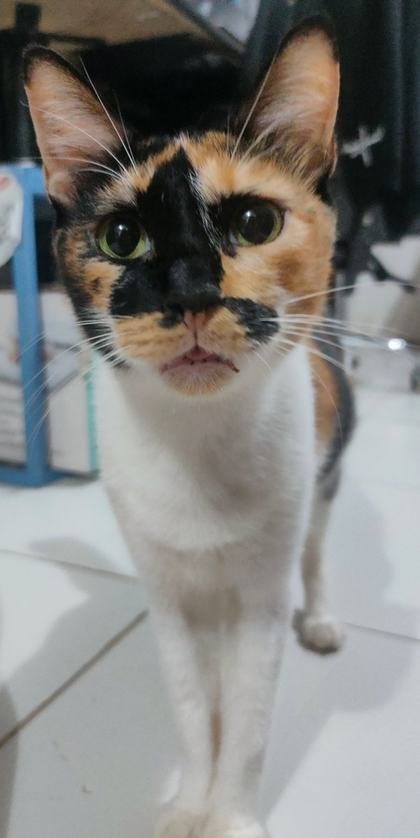 Tricolor
Overview
When people say their cat has a "cold" or "flu," they're usually describing Feline Upper Respiratory Infection (URI) — and while viruses (herpesvirus, calicivirus) cause about 90% of these cases, bacteria are frequently involved too, either as the primary cause or as a secondary infection riding along with a virus.
- The two most common primary bacteria involved: Bordetella bronchiseptica and Chlamydia felis (also called Chlamydophila felis)
- Mycoplasma is a less common but recognized cause as well
- Very common and highly contagious in shelters, catteries, and multi-cat homes
- Usually manageable with proper antibiotics once correctly identified
Common Symptoms
General "cold" symptoms
- Sneezing, nasal congestion
- Watery to thick nasal or eye discharge
- Fever
- Reduced appetite due to congestion (cats rely heavily on smell to want to eat)
Chlamydia-specific
- Often causes prominent conjunctivitis ("pink eye") — swollen, irritated eyes, sometimes more than typical sneezing
Bordetella-specific
- Coughing, sometimes progressing to pneumonia if untreated, especially in kittens or shelter settings
Possible Causes
- Direct contact with infected cats, contaminated bowls, bedding, or surfaces
- Airborne/respiratory droplet spread, especially in crowded environments
- Bordetella can also pass between cats and dogs, which matters in mixed-species shelters
- Stress and overcrowding increase both susceptibility and spread
Diagnosis
- Often diagnosed based on symptom pattern (e.g., strong conjunctivitis suggests Chlamydia; cough suggests possible Bordetella)
- PCR testing on eye/nasal/throat swabs can confirm the specific organism when needed, especially for chronic or non-responding cases
- Your vet may notify the lab of suspected bacteria, since some organisms need special culture handling
Treatment
- Doxycycline is a common first-choice antibiotic — effective against Bordetella, Chlamydia, and Mycoplasma
- Chlamydia specifically responds well to doxycycline; treatment courses are often longer (several weeks) to fully clear it
- Since these infections spread easily, all cats in a household should typically be treated, not just the symptomatic one
- Supportive care (keeping eyes/nose clean, ensuring hydration and appetite) matters alongside antibiotics
Nutrition & Food Intake
- Congestion often reduces a cat's desire to eat, since smell drives appetite in cats
- Warming food slightly or offering strongly-scented wet food can help entice eating
- Gently wiping away nasal discharge before meals can help a congested cat smell (and want) their food
- Ensure water intake stays adequate despite reduced appetite
Home Physical Checks (What to Look For Yourself)
- Eyes – note whether discharge is watery vs. thick/colored, and whether one or both eyes are affected
- Nose – congestion, sneezing frequency, discharge color and consistency
- Breathing – listen for coughing or any wheezing, which could suggest the infection is moving toward the lungs
- Appetite – track whether reduced eating is due to congestion alone or something more concerning
Supportive Supplements (General Info — Not a Prescription)
- L-lysine – commonly discussed for feline herpesvirus specifically; less relevant for primary bacterial infections, and evidence is mixed even for viral cases
- Steam/humidity (like sitting in a bathroom during a shower) can sometimes help loosen congestion, though this is comfort care, not treatment
- Antibiotics are required for actual bacterial clearance — supplements support comfort, not cure
When to Seek Emergency Care
Seek prompt veterinary care if:
- Symptoms last more than 7-10 days without improvement
- Coughing progresses or breathing looks labored (possible pneumonia)
- A kitten stops eating for more than a day (kittens decline quickly)
- Eye discharge becomes severe or the eye appears painful/swollen shut
Prevention
- Isolate new cats before introducing them to a household or shelter population
- Good hygiene: separate bowls, regular disinfection of shared spaces
- Reduce overcrowding and stress in multi-cat environments
- Vaccines exist for some of these agents but are considered "non-core" (not universally recommended) — discuss with your vet based on your cat's risk/lifestyle
Prognosis
Generally good. Most cats recover fully with appropriate antibiotics, especially when treatment starts before the infection progresses to pneumonia. Chlamydia and Bordetella both respond well to doxycycline in the vast majority of cases, though full clearance of Chlamydia in particular can take several weeks of treatment. Kittens and cats in high-stress, high-density environments (shelters) are more vulnerable to complications like pneumonia, so earlier treatment matters more in those settings.
Sources: VCA Animal Hospitals; Merck Veterinary Manual; ABCD Cats & Vets Guidelines; ISCAID Antimicrobial Guidelines.